WHAT IS A CONCUSSION?
A concussion is a head injury caused by moving forces such as a bump, blow, or jolt to the head, that results in a variety of symptoms and temporary changes in mental status, coordination, and balance.
Definitions are constantly updated based upon new research, but a concussion is a form of a traumatic brain injury. In fact, it’s the most common traumatic brain injury.
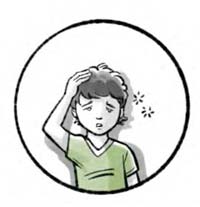
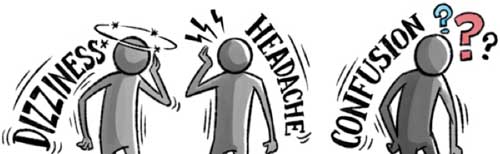
After a concussion, the symptoms that occur differ from patient to patient. These include headaches, dizziness, vision problems, trouble concentrating, feeling slowed down, repeated vomiting, sleep problems, and even irritability and sadness.
Symptoms may not even appear for days or weeks after the injury.
While sport-related concussions are the most commonly talked about, concussions can happen from falls, car accidents, or other traumatic events.
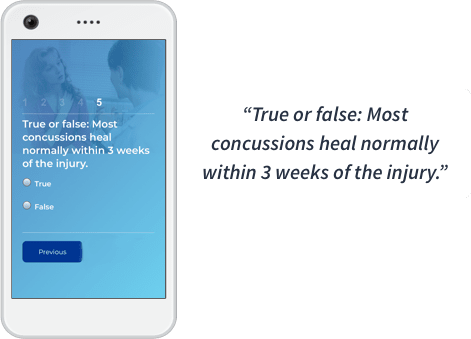
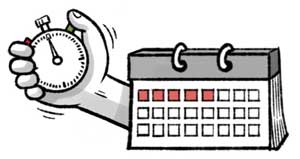
The good news is over 80% of patients diagnosed with a concussion usually get back to normal within three weeks, but some may have symptoms that last longer.
WHAT CAUSES A CONCUSSION?
Many people think that contact sports are the primary cause and that concussions are mostly a sports injury. Actually, according to the US Centers for Disease Control (CDC), falls are the main cause of concussions.
When a concussion occurs, there is an energy crisis in the brain. The impact of the brain against the skull can cause the brain to swell. It can even be life-threatening in rare cases.
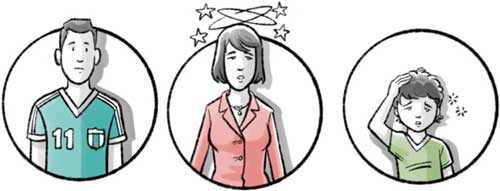
Anyone is at risk for concussions. They occur frequently in sports (especially contact sports), but they can happen from falls, car accidents, and non-contact sports too.
Unfortunately, there isn’t a “cure-all” for the injury. There’s not a perfect way to prevent them, either.
An individual who has had a concussion can feel entirely back to normal with a short period of rest and proper treatment or rehabilitation.
WHAT IS A CONCUSSION PROTOCOL?
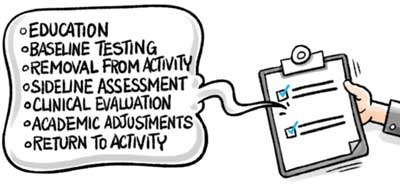
A concussion protocol is a standard for healthcare providers on how to diagnose and care for the injury. While protocols may differ depending on local laws or association policies, school/league concussion protocols should include at least:
- Pre-season education for parents and students;
- Comprehensive baseline testing procedures;
- Sideline evaluations after an injury;
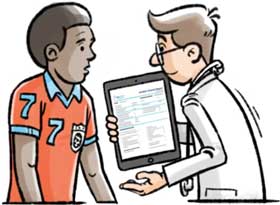
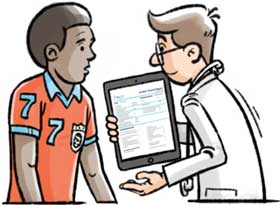
- Clinical evaluation after an injury;
- Return to learn procedures;
- Return to play requirements.
WHAT IS POST-CONCUSSION SYNDROME?
Post-concussion syndrome happens when concussion symptoms stick around for weeks or months after the injury. It occurs in approximately only 20% of concussion cases.
Post-concussion syndrome can disrupt everyday activities, including school and social activities, and can feel like it will never improve.
When unrecognized or untreated, post-concussion syndrome can seriously affect daily life.
Your healthcare provider can help you get the proper treatment to improve your symptoms and return you to your everyday activities.

CAN YOU DIE FROM A CONCUSSION?
Unreported brain injuries can cause serious and lasting problems. However, research has shown that dying from a concussion is unlikely. Healthcare providers can help you recover and feel back to normal within 2 to 3 weeks most of the time.
HOW TO PREVENT CONCUSSIONS?
Unfortunately, there’s no easy answer in concussion prevention. Some parents think that keeping their children out of contact sports will prevent concussion.
However, a concussion can also be caused by non-contact sports, car accidents, and falls.
There are a variety of concussion “prevention” toys available on the marketplace. These devices claim to help prevent a concussion. However, there is little research available to support claims that a device can prevent a concussion.
The best plan is to get educated on concussion symptoms and take a baseline test. If your school or sports league does not offer baseline testing, you can take one yourself online, at home, in about 20 minutes.
After proper education, baseline testing is a great way to be prepared if you get a concussion.
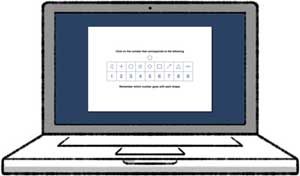
WHAT IS BASELINE TESTING?
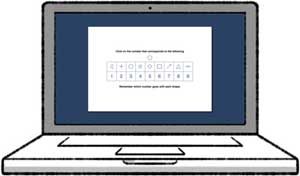
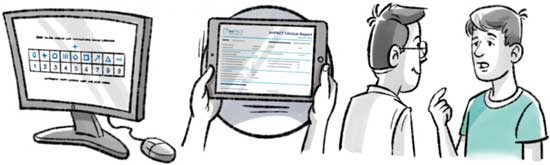
Baseline testing is a way of tracking your functioning at a healthy state. Baseline neurocognitive testing (like ImPACT and ImPACT Pediatric) measures how your brain functions when it’s not injured.
These tests measure reaction time, memory, and processing speed and give healthcare providers an accurate picture of your normal brain function. They can use that baseline test data to compare with post-injury data to determine the extent of your injury. They can also use this data to help decide when you’re back to normal cognitive functioning.